


“I have seen firsthand how payments can be a strategic entry point to deepen relationships and solve real business challenges”: BMO’s new U.S. Head of TPS Sales, Katie Oresar
- BMO’s U.S. TPS Sales team is entering a new chapter with Katie Oresar stepping into the leadership role.
- This story, told through five focused questions, moves beyond the leadership shift to spotlight her perspective on this fast-moving corner of banking.

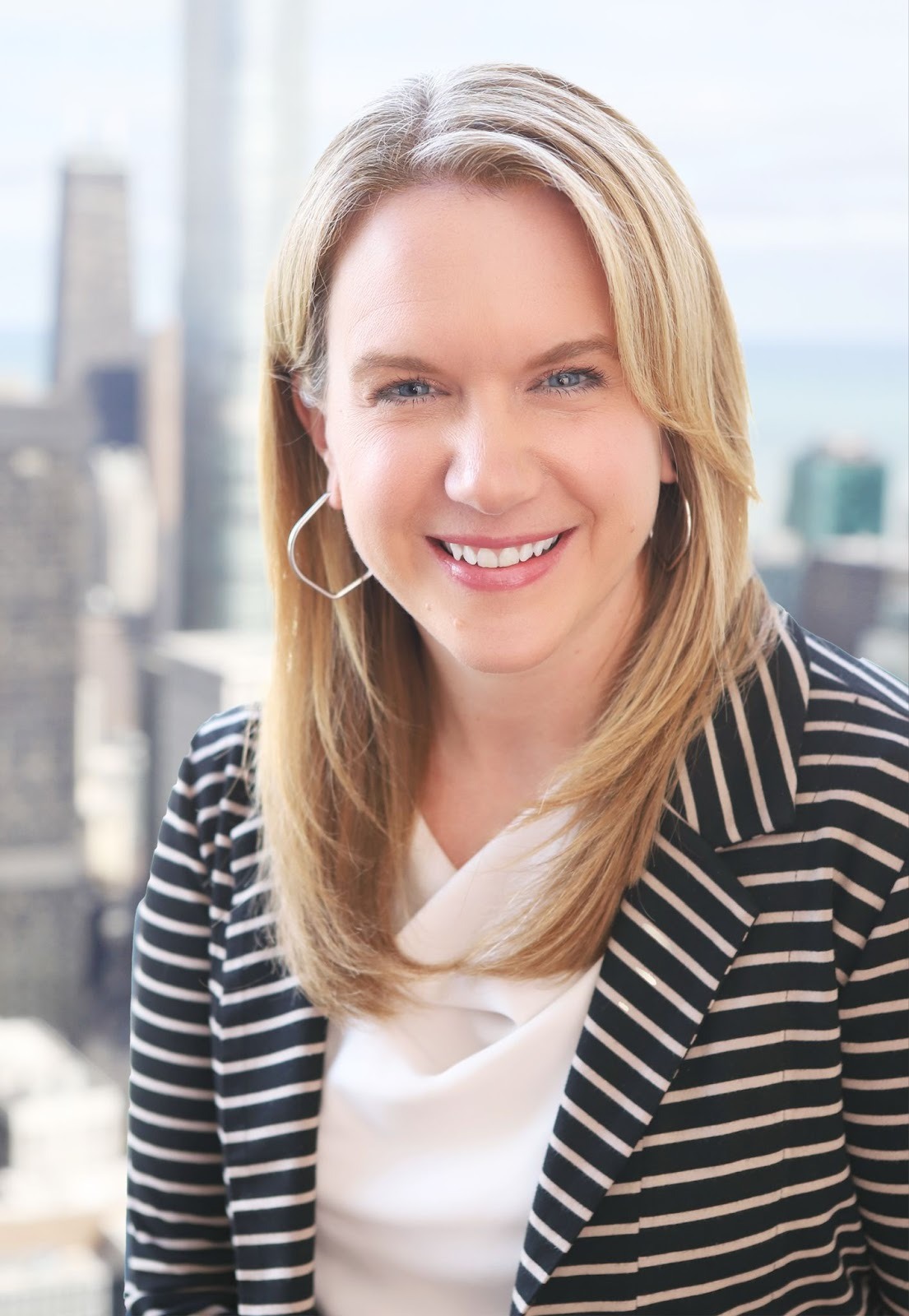
In treasury and payments, leadership is often measured in metrics, products, and efficiency. But for Katie Oresar, the human element – the teams she builds, the clients she partners with, and the culture and relationships she fosters – has always been at the center of her approach. Appointed as BMO’s U.S. Head of Treasury & Payment Solutions (TPS) Sales last month, she steps into a role that blends strategy, innovation, and client relationships at a time when the bank is fortifying its US presence.
Oresar’s career spans over two decades at J.P. Morgan, where she progressed across corporate banking and payments sales of the Midwest and Canada middle market. That experience gave her an understanding of how treasury and payments can serve as more than a service line – they can be a connector, a solution, and a lever for growth.
Oresar’s leadership marks a new chapter for BMO’s U.S. treasury and payments operations. In our conversation, the focus extends beyond a simple leadership change to the ideas and approach Oresar brings to one of the most dynamic areas of banking today.
Q: What key lessons from leading TPS and relationship management at J.P. Morgan are you carrying into your new role at BMO?
Katie Oresar: One of the biggest lessons I’ve learned is that collaboration and empowerment are crucial to leading effective teams. Breaking down silos across a large organization can unlock efficiency and allow everyone to learn from each other. For TPS Sales specifically, getting product, sales, and service together to solve problems can be incredibly impactful. I also learned the importance of building teams that are clear on their purpose and empowered to act. The best results come when people know how their work connects to the client and feel ownership over the client relationship.
With regard to a go-to-market strategy, payments can – and should – lead the conversation with our current and prospective clients. I have seen firsthand how payments can be a strategic entry point to deepen relationships and solve real business challenges. My background in relationship management has been a huge asset in driving that mindset. It’s helped me build trust with banking partners and shift the focus toward a “payments-first” culture. When you understand the client’s full picture, you can position payments not just as a solution, but as a growth lever.
Q: Having transitioned from a long tenure at J.P. Morgan to a new leadership seat at BMO, what drew you to make this move at this stage of your career?
Katie Oresar: I wasn’t looking to make a move just for the sake of change – I wanted to be part of something that felt meaningful and forward-looking. What really drew me to BMO was the culture. From day one, I felt the warmth, the collaboration, and the sense of shared purpose. It’s a place where people genuinely care about each other and about doing right by clients, which is unique and special.
The other big draw was BMO’s position in the Midwest and its broader North American footprint. Having spent a lot of time in this region, I know how important it is to have deep local roots paired with strong capabilities. BMO gets that balance right. There’s a real opportunity here to lead with payments – especially in markets where we already have strong relationships – and to bring fresh energy to how we serve clients.
Also, BMO’s commitment to growing TPS from the top down was a huge factor. When you see senior leadership leaning in, investing in innovation, and making payments a strategic priority, it tells you the bank is serious about building something long-lasting. That kind of alignment makes it easier to move fast, take smart risks, and build a team that’s excited to push boundaries.
Q: Treasury and payments sales is an area undergoing rapid change with digital innovation, embedded finance, and client expectations — where do you see the most immediate opportunities for BMO to differentiate?
Katie Oresar: There’s no question the space is evolving quickly – clients are expecting more, and the pace of innovation is accelerating. For BMO, I think the most immediate opportunity to stand out is by being incredibly intentional about how we show up for clients. That means not just offering digital tools, but making sure those tools are solving real problems and are easy to use in the context of their day-to-day operations.
Embedded finance is a great example. It’s not just about integrating payments into platforms – it’s about understanding where our clients are already working and meeting them there with solutions that feel seamless. That’s where our ability to partner across industries and tailor our approach really matters.
Another area is how we use data. Clients want insights, not just reporting. If we can help them see around corners, whether it’s forecasting liquidity, identifying payment friction, or spotting fraud risk, that’s a huge value-add. And we’re investing in the analytics and talent to make that happen.
Lastly, I think our culture gives us an edge. BMO has a strong foundation of client-centricity and collaboration, and that’s critical in a space like this. When our teams are empowered to think creatively and move quickly, we can deliver innovation that’s not just flashy but meaningful.
Q: In a market crowded with banks and fintechs promising payment innovation, what’s the one thing clients actually want most from their partners?
Katie Oresar: At the end of the day, it comes down to relationships. Clients want to work with partners who understand their business, how they operate, what keeps them up at night, and where they’re trying to go. That kind of strategic thinking only happens when you’ve built trust and taken the time to listen.
Innovation is great, but it’s not enough on its own. Clients want solutions that actually move the needle, whether that’s improving operational efficiency, reducing risk, or helping them scale. And to do that, we need to be more than just providers – we need to be advisors. That means showing up with insights, not just products, and being willing to challenge their thinking where it helps them grow.
One thing I’ve seen consistently is that when our teams have a deep understanding of the client’s business, we’re able to connect payments to broader goals like unlocking working capital or streamlining treasury operations. That’s where the real value is. It’s not about chasing the latest trend; it’s about helping clients maximize the value of their company in ways that are sustainable and strategic.
Q: For professionals coming up in treasury and payments, what career insights or lessons would you share from your own journey navigating leadership across two major institutions?
Katie Oresar: One of the biggest lessons I’ve learned is that relationships matter, internally and externally. Whether you’re working with clients, partners, or your own team, trust and credibility are everything. You earn that by showing up consistently and taking accountability.
Additionally, don’t underestimate the value of learning the business. That kind of curiosity sets you apart and helps you bring real value to the table.
Another insight is to embrace change. This space moves fast – digital innovation, embedded finance, shifting expectations – and the ability to adapt is key. Some of the most rewarding moments in my career came from stepping into roles or projects that were outside my comfort zone. That’s where growth happens.
And finally, find leaders who invest in you. I’ve been fortunate to work with people who challenged me, supported me, and gave me room to lead. That’s shaped how I show up for my own team now. If you’re early in your career, seek out those mentors, and when you’re in a position to do so, be that mentor for someone else.