


Gen Z, BNPL, and the fine line between financial freedom and pitfalls
- The BNPL model highlights a key societal dilemma: the trade-off between immediate gratification and future security. For Gen Z, this struggle is amplified by higher living costs, housing prices, and student debt.
- Matt Britton, CEO of Suzy, encourages younger consumers to pair BNPL’s convenience with mindful financial planning to build a secure future.
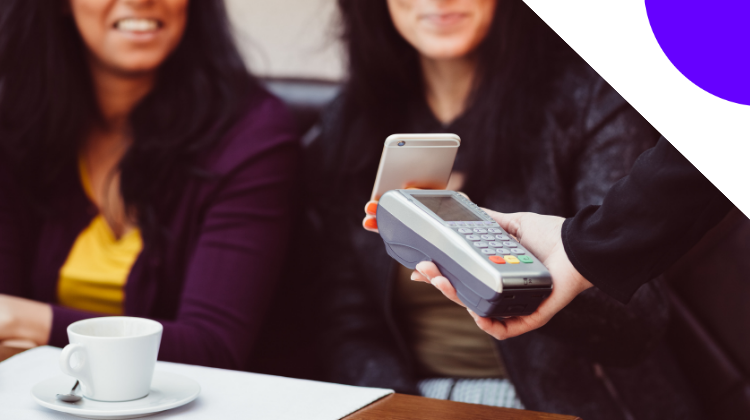
The past five years have witnessed significant shifts: Covid-19, the rapid rise of Buy Now, Pay Later (BNPL) services, and a social media boom that has made the YOLO mindset more relatable for the younger generation. The focus for financial institutions now is on how these shifts are influencing younger consumers’ financial outlooks, behaviors, and priorities.
YOLO meets BNPL: A tempting duo
Post-BNPL’s popularity, a deeper conversation is emerging about its long-term impact on consumer financial health, particularly for Gen Z who has grown up in a world of instant gratification and Instagram-worthy lifestyle engineering.
For Gen Z, the YOLO mindset is more than a hashtag; it’s a way of life. Social media often amplifies the desire to live in the moment, whether it’s a wardrobe upgrade, a dream vacation, or the latest tech gadget. BNPL taps directly into this mentality, shares Matt Britton, CEO of Suzy, a SaaS market research and consumer insights platform, in a recent Tearsheet Podcast episode.
“I think that BNPL pounces on the YOLO mentality for younger consumers,” says Britton.
With just a checkbox at checkout, the immediate barriers to high-cost purchases dissolve. Suddenly, buying a $1,000 phone or five pairs of jeans together feels manageable — until the bills start piling up.
Britton notes that the accessibility of BNPL may lead younger consumers to overspend without fully considering the long-term consequences, making them more susceptible to falling into debt.
“I think it’s going to be a net negative for consumers, and in a lot of ways it’s even more predatory than credit cards are, because at least credit cards are connected with a purchase at that time, and there are more steps involved,” he notes.
Financial health and consumer behavior
Financial health is a growing concern as BNPL usage increases among younger consumers. While the convenience of these services is undeniable, they also come with certain drawbacks.
According to Britton, many BNPL users are disproportionately financially vulnerable — individuals with limited savings, irregular incomes, or a lack of financial literacy. Add to that the allure of zero-interest payments, and it’s easy to see how small, manageable purchases can snowball into significant debt.
This doesn’t automatically mean that BNPL is a bad choice. It can be a convenient tool for responsible users who budget carefully and understand their repayment obligations. This indicates that the problem partially stems from a need for more education and awareness. Research shows that more than 1 in 4 Gen Zers lack confidence in their financial knowledge and skills, making them the least confident generation in this area.
With limited financial literacy and a disconnect from traditional institutions, many young consumers gravitate toward social media for financial guidance, where they encounter a deluge of advice, though not all of it is reliable. Following any advice from social media without proper research or full understanding can result in a path to debt.
“It’s basically just making sure that you’re not getting in your own way,” notes Britton.
Britton explains that the consequences of increasingly deferred or late payments extend to companies as well, especially those that have built entire business models around this trend.
Take Peloton, for example, which saw massive growth during the pandemic as people financed luxury fitness equipment through BNPL providers. But after things started to settle down post-Covid, the cracks in its model became apparent, especially when interest rates rose and BNPL providers tightened their credit policies due to defaults.
Peloton struggled as discretionary spending slowed, with even high-income consumers cutting back. By March 2022, the company reported a $757.1 million loss, exceeding losses from 2017–2021 combined. By June, its full-year loss had soared to $2.83 billion, marking a tough year for the company.
Walking the line: How Gen Z can navigate their today and tomorrow
At its core, BNPL reflects a broader societal dilemma: managing the trade-off between living for today and planning for tomorrow. For Gen Z, however, this question takes on even greater significance, Britton explains, as they grapple with increasing living expenses, housing prices, student debt, and greater financial pressures than Millennials.
“I think balancing that for younger consumers, especially with all the temptations with BNPL and easy access to credit [remains a challenge to overcome],” says Britton. While younger consumers may prioritize experiences and wellness today, they should also plan for a future where compound interest and savings are their allies, he suggests.
The answer isn’t to avoid tools like BNPL altogether but to approach them with mindfulness. It is also equally important for consumers to confirm the accuracy of the information they’re consuming outside official banking or financial platforms.
Tangible steps financial firms and BNPL providers can implement to help the new generation sidestep BNPL debt challenges include:
- FIs deliver financial education in ways that resonate with Gen Z, utilizing social media and interactive gamification techniques. Present the lessons in an easy-to-follow manner, without sounding preachy.
- Clearer terms from BNPL providers and a re-evaluation of how credit is marketed and accessed.
Download the Suzy whitepaper, featuring its proprietary data and expert advice from CEO Matt Britton on how financial institutions can stay competitive and connect with younger audiences.