


Nubank intends to paint the U.S. banking system purple
- Nubank just launched in the U.S. with 3.50% savings, a no-fee credit card, and free international transfers, its bid to crack the toughest banking market.
- The purple card conquered Brazil by ditching fees and serving millions banks ignored. Now Nubank bets that the playbook works on Americans too.

Nubank has officially begun serving customers in the United States, rolling out an initial lineup built around high-yield savings, a no-fee credit card, and low-cost international transfers through its U.S. banking partner, Lead Bank.
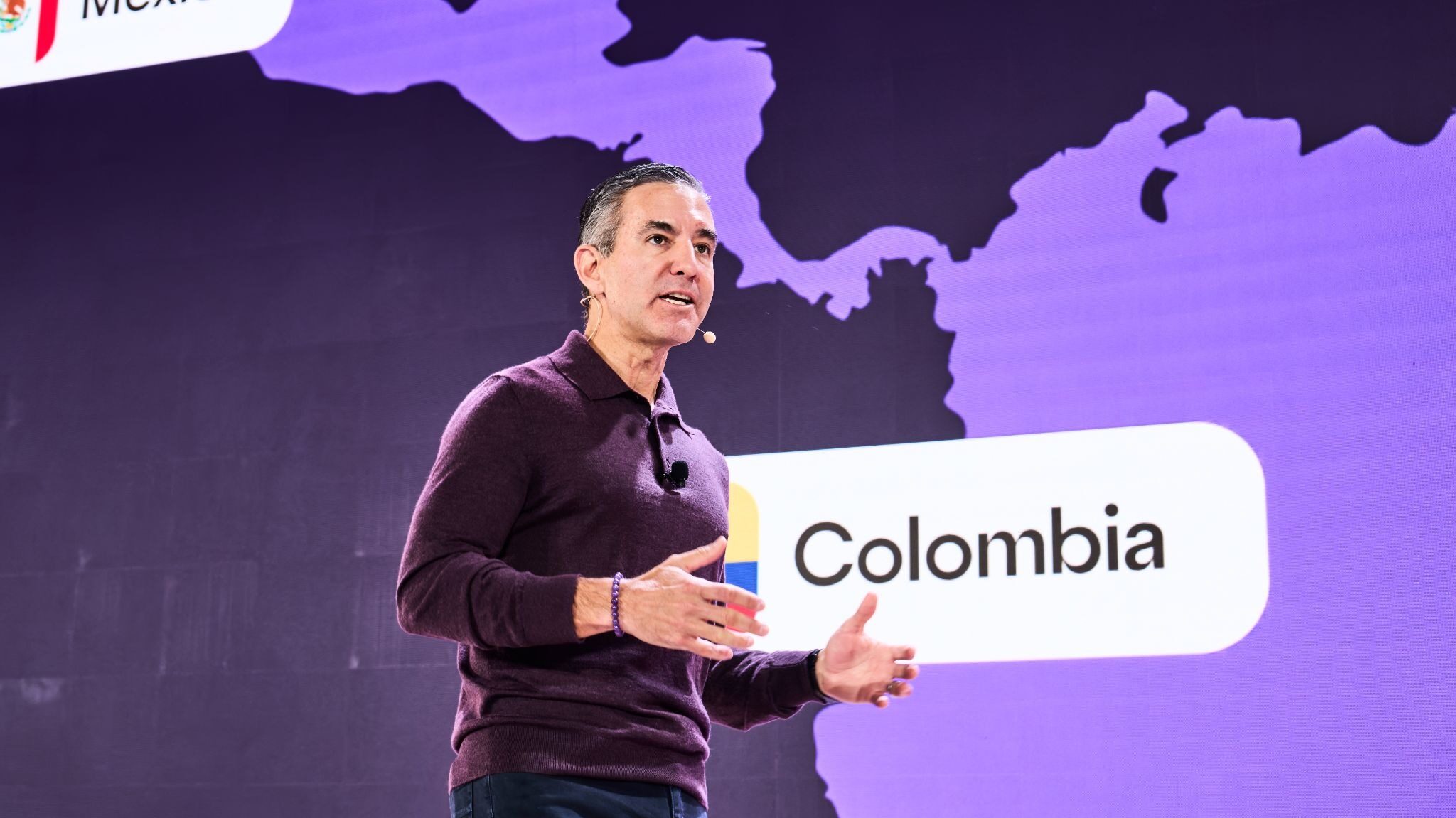
Speaking at a launch event in Miami, founder and CEO David Vélez and co-founder and head of the U.S. business laid out how the company’s entry product lineup consists of deposit accounts paying 3.50% annual yield, fee-free international remittances, and a no-annual-fee credit card that offers 1.5% cash back on purchases.
In January, Nubank’s application for a national bank charter received a conditional approval from the Office of the Comptroller of the Currency, and the firm is now undergoing review by the Federal Reserve and the FDIC. Junqueira told the Miami audience that she expects Nubank to be fully operational under its own charter sometime next year. Until then, the company will run its U.S. business through its partner-bank arrangement, which is a common structure among fintechs entering the American market.

What made Nubank work in Brazil
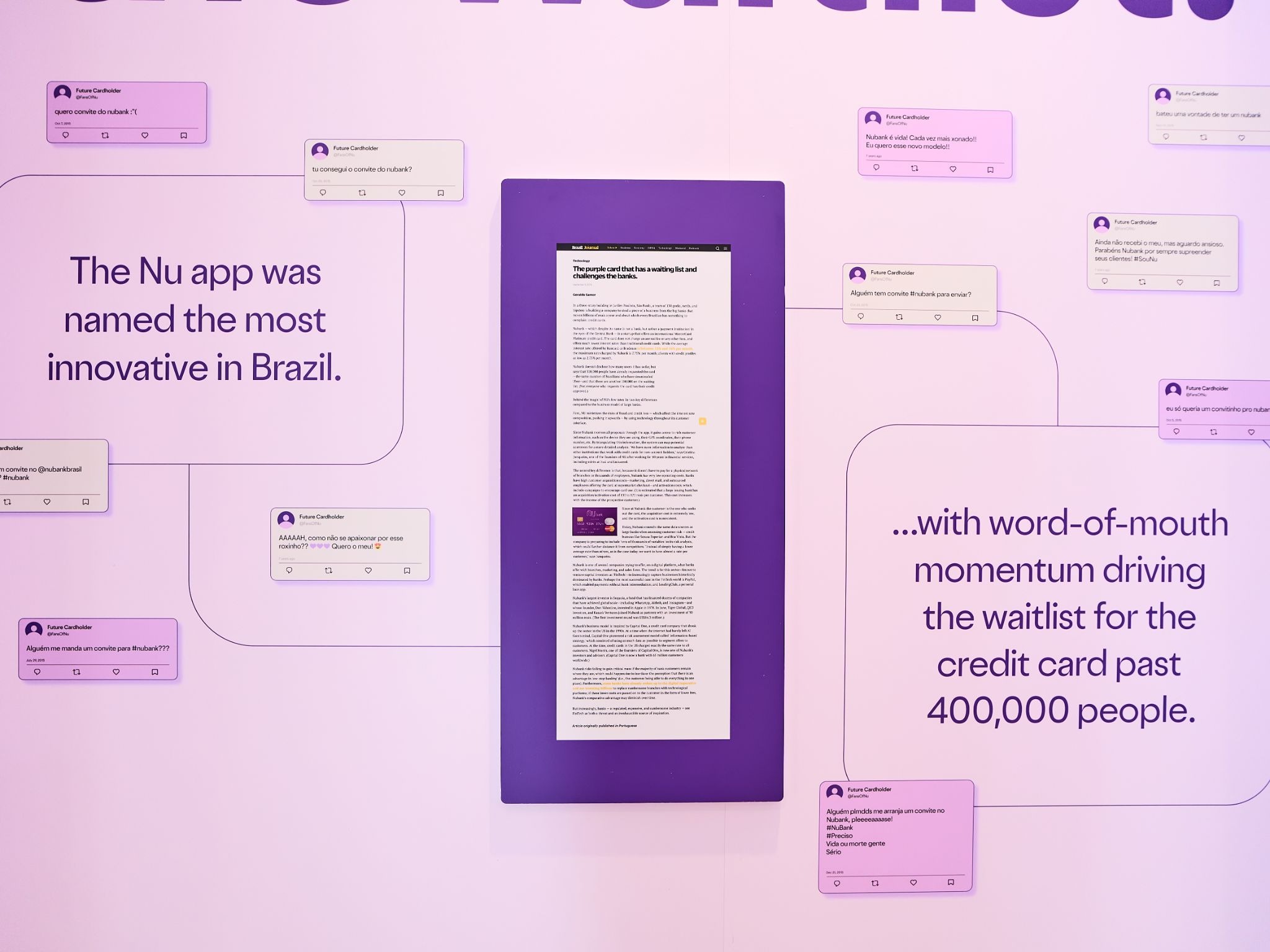
Nubank’s Brazilian rise is usually explained as a story of timing and temperament. When David Vélez, Cristina Junqueira, and Edward Wible founded the company in 2013, a handful of large incumbent banks controlled the vast majority of Brazil’s banking market and were known for high fees, branch-bound bureaucracy, and poor service.
Sequoia Capital, where Vélez had worked as a partner, describes the setup as a near-monopoly that had gone unchallenged for decades, and frames Nubank’s rise as an underdog campaign against that entrenched oligopoly, one built around a level of consumer experience Brazilian banking customers had never been offered.
The company started small: its first product was a purple credit card, chosen in part because it was one of the few financial products in Brazil that didn’t require Nubank to hold a banking license. From there, the strategy leaned on eliminating the fees Brazilians resented most: Nubank charges no account maintenance or overdraft fees, arguing that customers shouldn’t have to pay to manage their own money. That mattered enormously in a country where large numbers of lower-income Brazilians had effectively opted out of formal banking because fees ate into thin balances. Going fully digital and branch-free allows Nubank to pass those savings back to customers while also reaching people traditional banks had largely written off.
Nubank also rebuilt underwriting from scratch. Rather than relying on the thin credit files that shut many Brazilians out of formal credit, it used alternative data to assess risk. In a single year, the company brought 5.7 million previously excluded people into the credit-card market.
The results have compounded over time. Nubank now serves over 60% of Brazil’s adult population and, by some measures, has overtaken Itaú and Caixa to become the country’s most valuable financial brand, all without ever operating a physical branch network.
Why the U.S. bet is interesting
…