
Banking, Member Exclusive

HSBC’s Zing and how banking can learn to do cool and innovative better

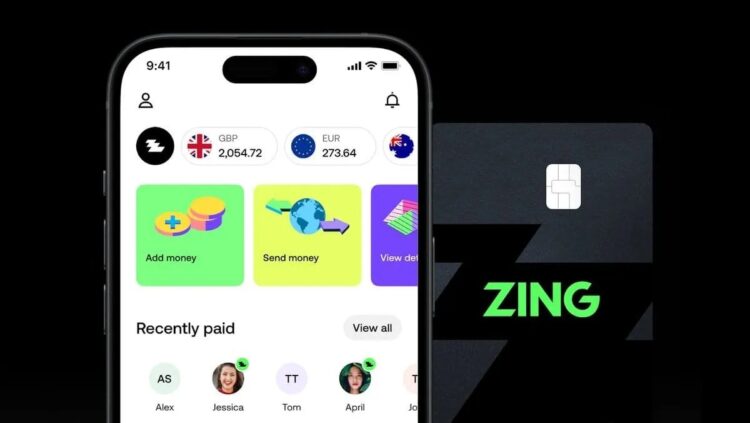
  • With a modern UX and targeting a popular market, HSBC's new international money transfer app shows a lot of promise.
  • But it's what Zing -- and HSBC -- didn't do that points to a big opportunity for banks to provide something valuable to customers.
close

Email a Friend

HSBC’s Zing and how banking can learn to do cool and innovative better

A few years ago, I was chatting with Alex Jimenez, who was leading strategy at Zions Bank at the time. He said that most banks’ efforts to keep relevant basically amounted to innovation theater. Instead of trying to keep up with the new, cool things, he suggested that innovation really had to do with asking the right questions. I’ve been using that term ever since.

“Once you define the question really well, then you can brainstorm, and come up with and test ideas. I’ve seen a lot of groups define a question incorrectly that doesn’t solve the problem and what they end up doing fails. Spend a lot of time with a process that’s very specific in defining the question and then you can begin to innovate.”

Asking the right questions

So, last week, when HSBC announced a new app to send money internationally, my first thought went back to my discussion with Alex. 

What question was HSBC asking when it decided to build Zing? The answer feels like it would be something like who’s doing something really well and how do we do something similar?

Because the product just looks and feels like competitor Wise (10 million customers) and part of Revolut (38 million customers). It just feels derivative. 

But, hey, that may be enough. Let’s look.

A closer look at Zing


subscription wall for TS Pro

0 comments on “HSBC’s Zing and how banking can learn to do cool and innovative better”

Lending, Member Exclusive

LendingTree wants to own an earlier step in the loan shopping journey

  • LendingTree is moving upstream in the loan-shopping journey, using ChatGPT to reach borrowers while they’re still researching what they can afford and what type of loan they need.
  • The strategy tests whether AI can turn that early research into completed applications, while LendingTree applies AI across offer comparison, customer acquisition, and servicing.
Sara Khairi | October 22, 2026
5 questions, Business of Fintech, Member Exclusive

How Bluevine will change under Valley Bank without losing its core

  • Valley Bank is buying Bluevine’s technology, talent, and digital customer-acquisition engine rather than spending years building those capabilities in-house.
  • Bluevine’s test is whether it can retain its speed and product culture while tapping Valley’s banking infrastructure and expanding its reach.
Javarya Kamran | October 20, 2026
10-Q, Member Exclusive

Jane Fraser sees a future in tokenized deposits. Coinbase shows why Citi needs stablecoins, too.

  • Citi sees tokenized deposits as a lower-friction way for corporate clients to move money on blockchain while keeping funds within existing banking relationships.
  • Its expanded Coinbase partnership brings stablecoin acceptance and conversion into the mix, helping Citi defend its role in corporate treasury as digital payments evolve.
Sara Khairi | October 19, 2026
Designing new products, Member Exclusive, Opinion

Banking has had a product mindset problem, but it might be starting to get better

  • The product mindset gap comes down to whether banks build around internal structures or the problems customers are trying to solve.
  • AI is pushing product thinking further, challenging banks to move beyond features and interfaces toward responsive products that understand context and help customers get things done.
Sara Khairi | October 16, 2026
Blockchain and Crypto, Member Exclusive, Payments

Coinbase is taking stablecoin rails into banking, expanding the market for both

  • Coinbase is expanding stablecoin payments through banking networks of all sizes to diversify beyond trading revenue.
  • Moov connects Coinbase to community banks, while Citi opens access to institutional payment flows.
Javarya Kamran | October 15, 2026
More Articles