


Why e-commerce brands have the processes but lack the resources to execute personalization programs
- Over the next five years, businesses that excel at creating tailored experiences and communications stand to capture $2 trillion in revenue.
- Despite recognizing personalization's value, only 50% of organizations have established dedicated personalization teams with proper expertise. Learn how businesses can realize topline benefits from finetuning their personalization programs across four key dimensions: culture, resources, processes, and effectiveness.
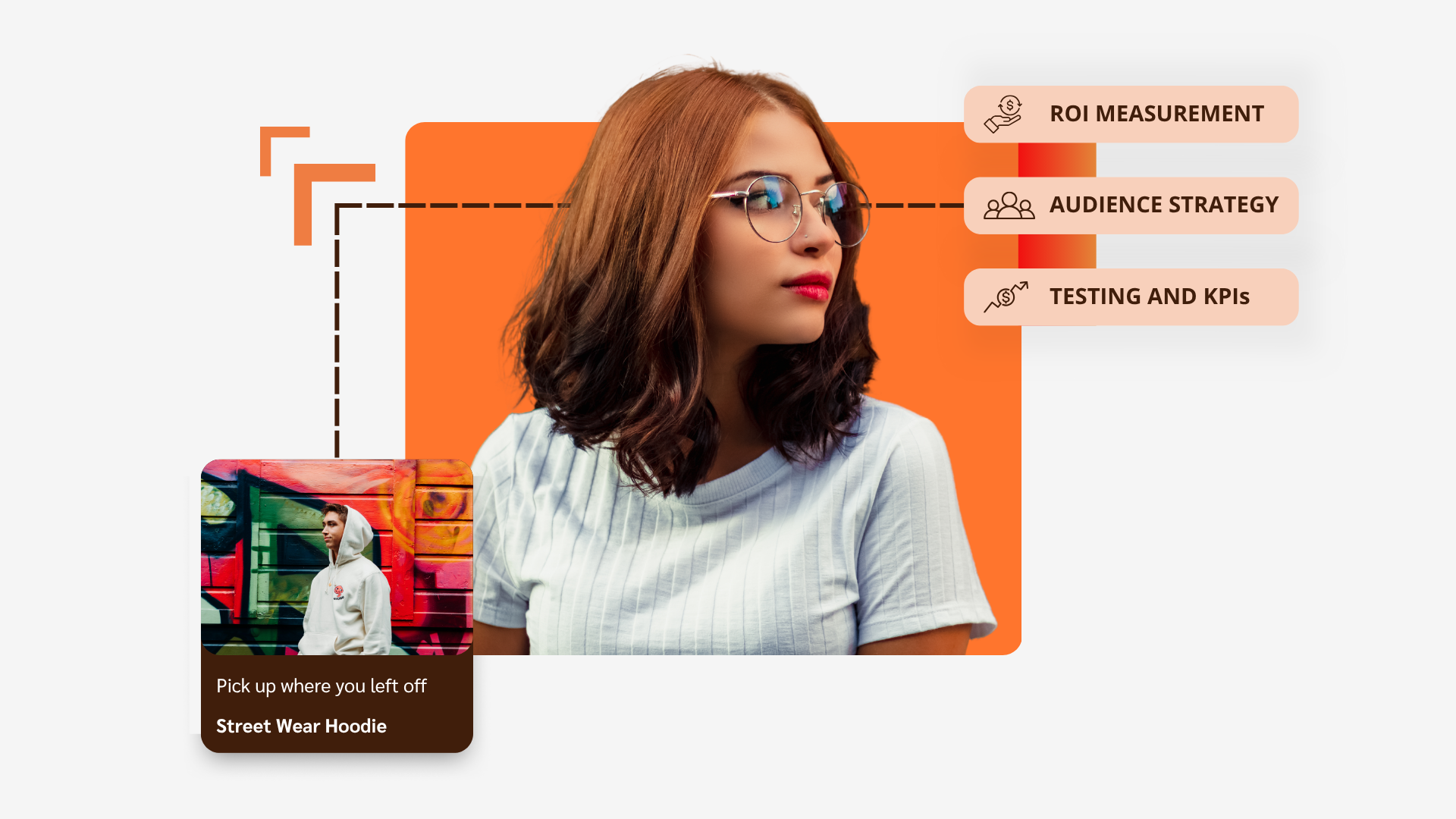
Focusing on personalization can drive real topline growth and customer loyalty for e-commerce brands. In a world chock-full of brands competing for customers’ attention and spend, AI-driven personalization is helping mature brands capture more market share. For e-commerce firms, the right personalization strategy can make all the difference, turning browsers into buyers by delivering experiences that truly resonate.
Over the next five years, businesses that excel at creating tailored experiences and communications stand to capture $2 trillion in revenue, according to BCG research.
But despite the global opportunity personalization presents for retail and e-commerce brands, firms are struggling to build cohesive, organization-wide strategies – significantly hampering future revenue growth that can come from personalization.
E-commerce brands can use a 4 dimensional framework to assess their personalization maturity and here’s how Dynamic Yield by Mastercard found the industry shakes out:
- Culture: While 44% of brands report that they are on track in terms of establishing a personalization program, more than half have yet to build a holistic strategy encompassing dedicated resources/support and accurate ROI measurement.
- Resources: Only 50% of organizations have established a personalization team with business, technical and creative expertise, while the other half relies on ad-hoc support or goes without it completely.
- Processes: Only 36% of businesses report using insights to run additional tests to understand their audience more deeply and optimize their personalization programs.
- Effectiveness: Although 48% of e-commerce firms report that an audience strategy is critical to a firm’s ideation and planning for personalization projects, only 36% report that it’s occasionally applied to hypothesis setting and testing analytics.
Culture is the soul of personalization programs
Personalized experiences are quickly becoming a mainstay of e-commerce brands’ targeting strategy, with 67% of brands currently planning to invest further in their personalization programs.
However, gaps remain for brands looking to align their entire organization around personalization: 40% of brands still rely on measuring only conceptual KPIs rather than fixed, quantitative ones like increased revenue and improved add-to-cart rate that can be linked back to generated value.
Even more damaging: 30% of e-commerce firms report making spur-of-the-moment decisions without establishing a plan based on data and clear KPIs.

“Establishing clear ownership, mandates and accountability, from the C-suite down to analysts, is key to creating a culture of personalization across an organization. Once those are in place, cross-department collaboration and alignment naturally follows, driving quantitative impact and value to the wider brand mission,” said Ben Malki, Vice President of Customer Success, Americas, Dynamic Yield by Mastercard.
Resource allocation: the lifeblood of personalization
Although most firms recognize the value personalization can bring to both their business and customers, there is a disconnect between understanding the importance of personalization and making more resources available to these programs and teams. Firms should take a cross-functional approach to personalization, bringing on board business, technical and creative expertise to ensure the success of their programs.
Currently, 38% of firms have a singular team that works with other departments to implement web-based personalization, while 28% of the firms have multiple teams that operate without a holistic approach.

Processes are the backbone for ROI
Processes help teams establish a clear workflow and pipeline for actions and analysis, and brands that ignore this step are often unable to accurately maximize the impact of their personalization efforts.
26% of firms are currently failing to share detailed insights from their ongoing personalization campaigns with the wider organization, and 25% rarely share insights if at all. The result of this communication failure is an inability to showcase personalization’s value to the business. This can significantly impede executive prioritization and greater cross-functional teamwork to improve future campaigns.

Mind over matter: Measuring effectiveness
Data from Mastercard suggests that e-commerce brands that were late to adopt personalization have failed to keep up with growing customer expectations and are falling even further behind those that have gone on to develop sophisticated strategies.
67% of brands have yet to build internal alignment around their audience strategies, and only 41% have identified different data sources, like CRM and offline data, that can help inform personalization programs, but have not yet put these data sources into action.

“Looking around corners and adapting to online customers’ expectations on-the-fly calls for a well-crafted personalization roadmap. By crafting a single source of truth for customer data and fostering strategic alignment, brands can clinch a multi-trillion-dollar opportunity in personalization,” said Donovan Yong, Principal, Advisors Business Development, Dynamic Yield by Mastercard.
If you want to read a more detailed analysis of how personalization efforts are performing across the four signals mentioned above and explore the global landscape of e-commerce programs across regions like America, APAC and EMEA, download this report from Dynamic Yield by Mastercard.