


How money movement is becoming one continuous system
- June’s developments suggest that the next phase of financial innovation is about removing the boundaries that separate digital assets from traditional finance.
- Binance is embedding over 7,000 U.S. equities directly into its crypto app via "bStocks" tokenization, while MoneyGram is bypassing bank intermediaries entirely by launching its own native, dollar-backed stablecoin MGUSD.
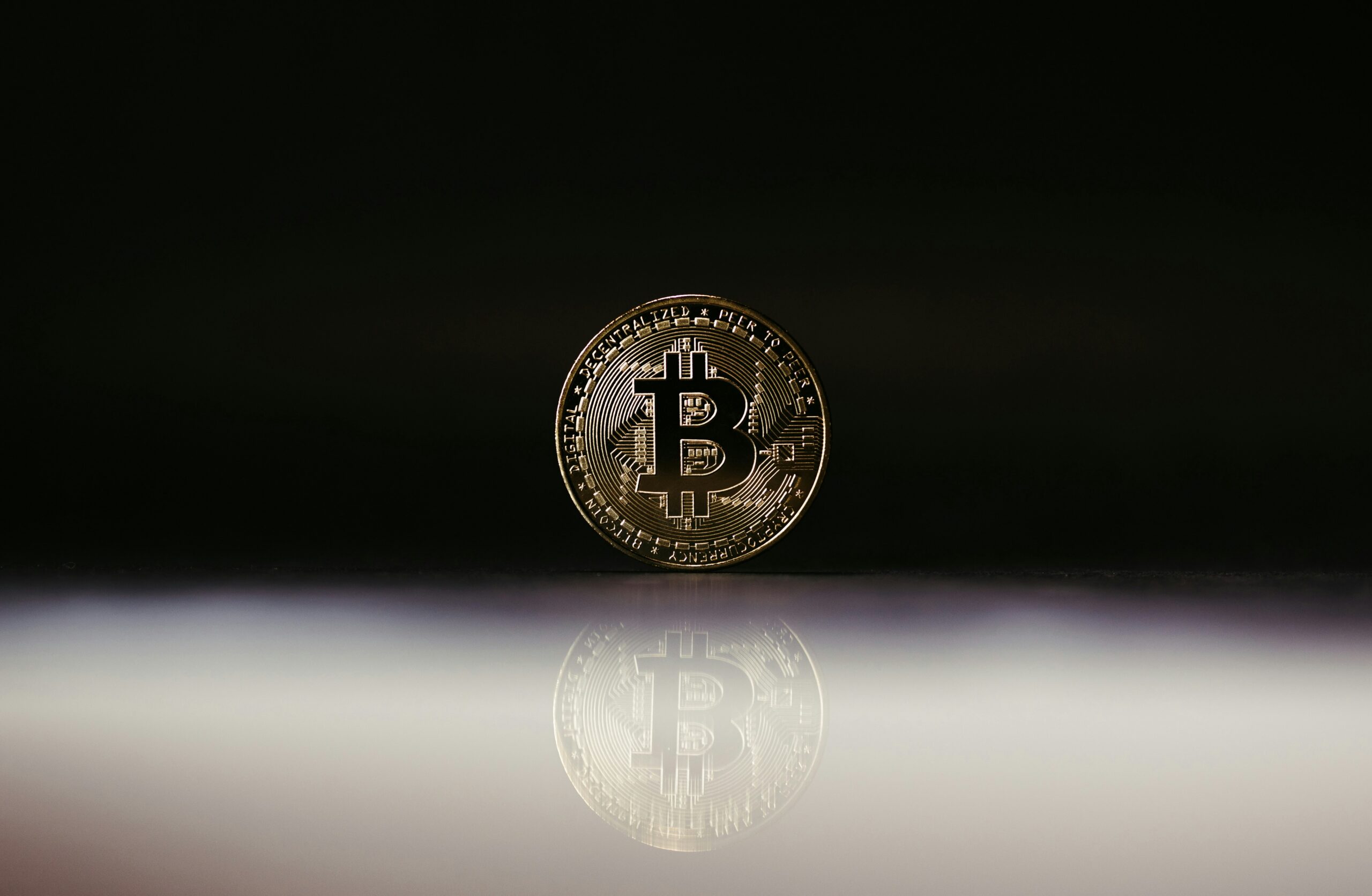
This month began with two key developments in crypto and payments: Binance listing stocks and ETFs on its trading platform, and MoneyGram introducing a new US dollar-backed stablecoin.
Binance and the push to collapse financial silos
Crypto trading platforms and stock brokerages were designed as separate systems. One focused on digital assets, the other on regulated securities, with users expected to move between them.
Binance is now testing a different assumption: users no longer think in asset classes.
On June 1, the company began rolling out access to more than 7,000 US stocks and ETFs directly within its app, extending a platform that was once almost entirely crypto-focused into traditional equities. The pitch is consolidation. “Today’s users don’t think in silos,” the firm said in its announcement.
The move mirrors a broader industry shift. Coinbase has also been building toward an “everything exchange” model, while infrastructure players and regulators are slowly opening the door to testing tokenized versions of traditional securities.
Binance is going a step further with “bStocks,” planned tokenized representations of equities that would allow users to move between traditional shares and on-chain assets. The idea is to bring financial systems closer together.
Regulators are still working through the framework. The U.S. Securities and Exchange Commission is evaluating tokenized securities structures, while institutions such as the Depository Trust & Clearing Corporation, which custodies over $114 trillion in assets, are preparing early-stage tokenization pilots for real-world assets later this year.
What emerges from all of this is a structural question: if assets can move freely between crypto rails and traditional markets, does the distinction between the two still hold?
Binance is of the view that for most users, it already doesn’t.
MoneyGram and the shift from transfers to programmable dollars
Sending money across borders has been defined by trade-offs: cost, speed, and access have rarely improved at the same time. Even as digital tools have reduced some friction and improved the experience at the margins, the underlying model of intermediaries and conversion layers has remained largely unchanged.
MoneyGram is now attempting to reshape that foundation. With the launch of MGUSD, its new dollar-backed stablecoin, the company is moving beyond payments into what it describes as a “stable, dollar-denominated balance” that can be held, moved, and converted globally. The aim is to serve individuals in economies where currency instability, inflation pressure, or limited banking reach make financial predictability difficult.
The structure behind MGUSD is intentionally layered. Bridge handles issuance, M0 provides smart contract infrastructure, Stellar supports blockchain settlement, and Fireblocks enables custody and transfer within MoneyGram’s existing distribution network. It is a coordinated stack built around distribution.
Instead of starting with assets and searching for use cases, MoneyGram is starting with its global remittance network and layering stablecoin functionality into it.
That approach comes at a time when institutional confidence in digital assets is still uneven. Research continues to show that most finance leaders hesitate due to regulatory ambiguity and concerns around control, even as interest in stablecoins grows for payments use cases.
The hesitation stems from how these systems will behave when they move from experimentation to core financial infrastructure.
MoneyGram believes that embedding stablecoins within a regulated, widely used distribution network removes that uncertainty, turning what is still seen as crypto infrastructure into underlying financial infrastructure.