


What’s Left in the Shadows: How 90-year-old Webster Bank punches above its weight by combining purpose with profitability
- Not your typical regional bank, Webster combines serving local consumers and SMBs with a strategic move into healthcare finance.
- In today’s 10Q edition: What’s Left in the Shadows, we shine a light on the less-talked-about publicly traded names in the industry that do their own thing but remain integral to the banking ecosystem.

A storied beginning and a forward-looking purpose
In 1935, with $25,000 borrowed from friends and family, Harold Webster Smith founded the First Federal Savings and Loan Association of Waterbury, Connecticut, to help people build homes during the Great Depression. His vision was that banking should serve the people around you, not just the bottom line.
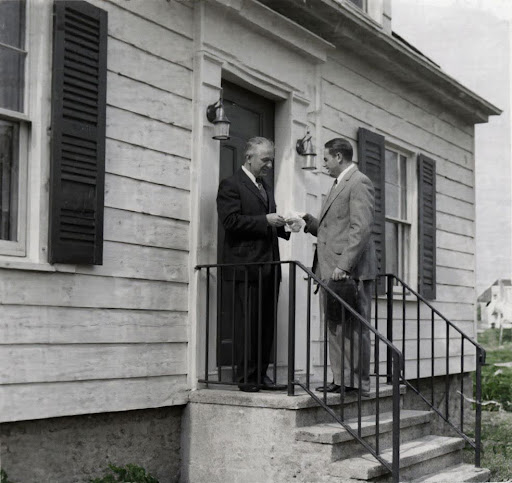
The organization was later renamed Webster Bank when it went public in 2002 and converted to a national commercial bank in 2004, enabling broader service offerings while largely preserving its regional identity.
Today, Stamford, Connecticut, serves as its headquarters, but its branches extend from suburban New York to Rhode Island and Massachusetts, giving it a solid regional footprint.
Webster Bank (NYSE: WBS) remains true to its ethos: serving communities across the Northeast while moving billions of dollars of healthcare payments and powering fintech platforms behind the scenes.
Webster Bank’s evolution from a local thrift to a publicly traded commercial institution reflects a long-term focus. The bank serves clients across three key areas: commercial banking, consumer banking, and healthcare financial services.
In today’s 10Q edition: What’s Left in the Shadows, we shine a light on the less-talked-about publicly traded names in the industry that do their own thing but remain integral to the banking ecosystem.
…