

How Lower uses technology and humans to simplify mortgage lending ft. Dan Snyder
- Dan Snyder, CEO and co-founder of Lower, discusses how their proprietary platform LowerOS is simplifying the home loan process for first-time buyers.
- Learn how Lower combines innovative technology with personalized service to make homeownership more accessible in today's challenging market.
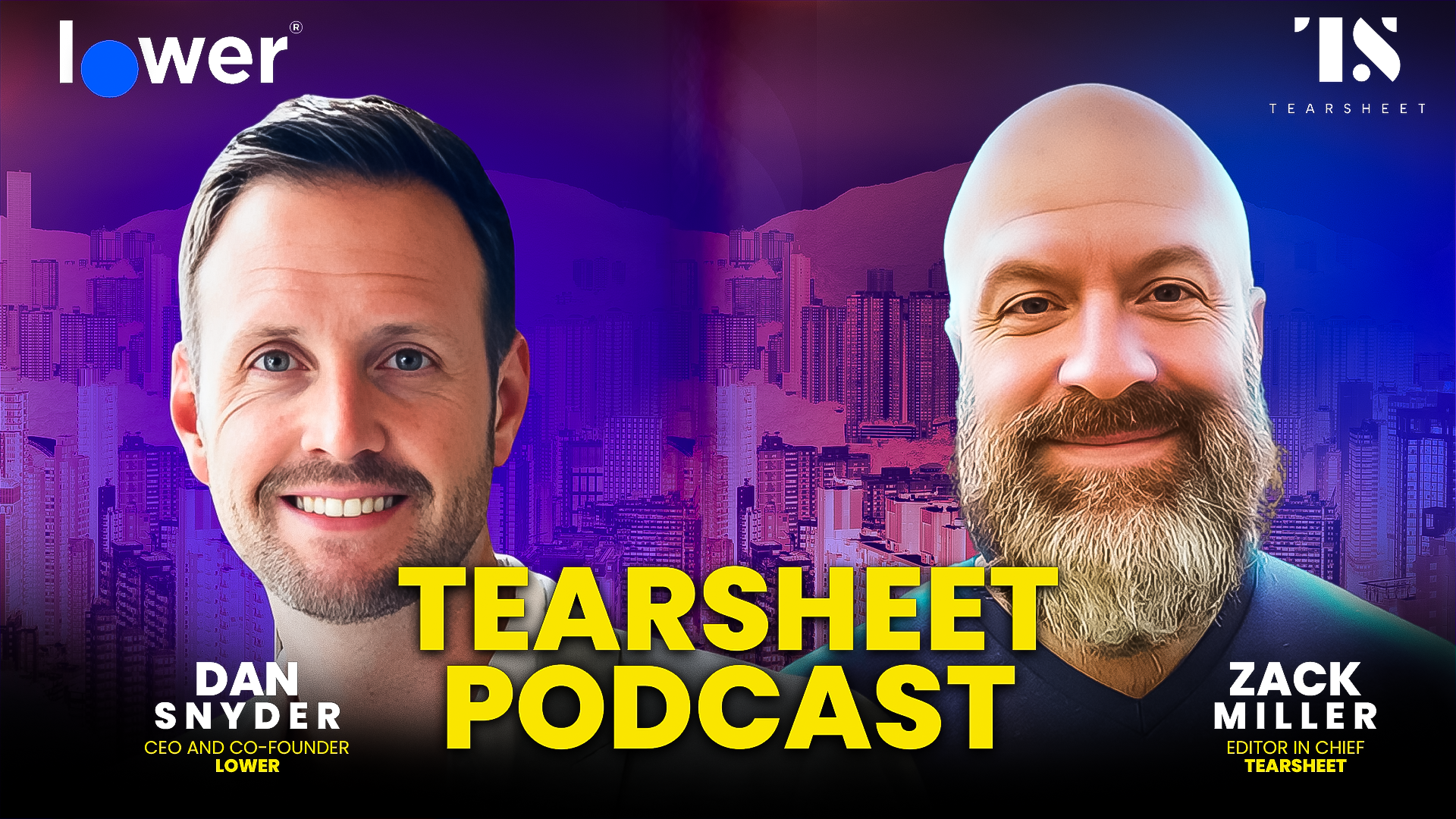
I recently sat down with Dan Snyder, CEO and co-founder of Lower, to discuss the evolving landscape of mortgage lending. Lower was founded in 2014 and has grown into one of the largest venture-backed home lenders in the United States. Dan is driven by a commitment to simplifying the home financing process through technology.
“We’re not just building a mortgage company,” says Snyder. “We’re creating a comprehensive platform. It will make homeownership more accessible, especially for younger buyers.” Fresh off its acquisition of NeatLabs, Lower’s new proprietary platform, LowerOS, promises to reduce the cost and complexity of mortgage origination. Snyder bootstrapped his startup and went on to raise Ohio’s largest Series A, showcasing resilience and vision. His journey offers valuable lessons in leadership and innovation. It also highlights how to navigate the challenges of a volatile housing market. The conversation explores key topics like the role of venture capital in professionalizing a business, the strategic importance of owning a full tech stack, and the opportunities presented by serving next-generation home buyers.
Lower’s Journey: From Bootstrapping to Venture-Backed Growth
Dan Snyder and his co-founder, Mike, launched Lower in 2014 with a focus on profitability and reinvesting earnings. But, by 2020, they recognized the need for external funding to scale their vision. “If you’re going to raise money, it’s about fueling growth and getting on the radar of other investors,” explains Snyder. Their $100 million Series A from Accel provided crucial resources and strategic guidance. The partnership fueled their growth and strengthened their vision.
The NeatLabs Acquisition: Building a Tech-Driven Future
A pivotal moment for Lower came with their acquisition of NeatLabs, a technology company specializing in mortgage solutions. “We needed a complete tech stack to control our destiny,” says Snyder. This move brought experienced engineers and a robust technology infrastructure into the company. It helped in setting the stage for the launch of LowerOS. The platform simplifies tasks like digital pre-approvals, document management, and loan pricing. Its goal is to make these processes more efficient and user-friendly.
LowerOS: Streamlining the Home Loan Process
LowerOS is designed to address the inefficiencies in the traditional mortgage process. Snyder says, “Owning our tech stack reduces costs and eliminates reliance on third-party software.” LowerOS sets Lower apart from competitors like Rocket Mortgage with their proprietary systems. It gives Lower an edge in the market.
Supporting First-Time Home Buyers
The average first-time home buyer is now 38 years old and facing affordability issues. Lower is focused on addressing these challenges. Their goal is to make homeownership more accessible to these buyers. “We think about incubating our next-gen customers,” Snyder shares. Lower uses financial education and digital tools to prepare younger buyers for homeownership by making the buying process easier and more accessible.
Balancing Technology with Human Connection
While Lower leverages technology, it also emphasizes the importance of a human touch. “It’s technology with a handshake,” says Snyder. The company’s local loan officers work closely with customers. They combine digital convenience with personalized service to create an end-to-end home loan experience.
The Big Ideas
- Venture Capital as a Catalyst for Growth. “Raising money allowed us to professionalize the business and access top talent,” says Snyder. He highlights the impact of Accel’s investment.
- The Strategic Importance of Owning Technology. “We didn’t want to rely on third-party software that didn’t align with our goals,” Snyder notes. LowerOS is the result of this strategic decision.
- Challenges in Serving Next-Gen Buyers. “The average income for first-time buyers is over $200,000. We’re working to bring that down by improving affordability,” Snyder explains.
- Adapting to Market Volatility. Snyder highlights that inventory and interest rates are major challenges. But, technology can help reduce costs and improve efficiency.
- Combining Tech with Human Expertise. “Even with digital tools, a 15-minute conversation can save hours of back-and-forth,” says Snyder. He emphasizes the value of human interaction.
Listen to the full episode
Subscribe: Apple Podcasts I SoundCloud I Spotify